Category Archives: Weekly Health Tips

February 20th, 2013

Garlic — For Healthy Cholesterol and Immune Function

Garlic has been used throughout history virtually all over the world as a medicine. Its use predates written history. Sanskrit records document the use of garlic remedies to approximately 5,000 years ago, while the Chinese have been using it for at least 3,000 years.The Codex Ebers, an Egyptian medical papyrus dating to about 1,550 B.C., mentions garlic as an effective remedy for a variety of ailments, including high blood pressure, headache, bites, worms, and tumors. Hippocrates, Aristotle and Pliny cited numerous therapeutic uses for garlic. Stories, verse, and folklore (such as its alleged ability to ward off vampires) also give historical documentation to the healing power of garlic. Sir John Harrington in The Englishman’s Doctor, written in 1609, summarized garlic’s virtues and faults:

Garlic then have power to save from death
Bear with it though it maketh unsavory breath,
And scorn not garlic like some that think
It only maketh men wink and drink and stink.

Another favorite saying about garlic is “Eat garlic and gain your health, but lose your friends.” Fortunately, there are now commercial preparations that provide all of the health benefits of garlic without the social consequences.

What are the scientifically confirmed effects of garlic?

Garlic has a wide range of well-documented effects including helping to fight infection and boosting immune function; preventing cancer, and the cardiovascular benefits of lowering cholesterol and blood pressure. All of these beneficial effects of garlic are attributed to its sulfur-containing compounds: allicin, diallyl disulfide, diallyl trisulfide, and others. Allicin is mainly responsible for the pungent odor of garlic. It is formed by the action of the enzyme alliinase on the compound alliin. The enzyme is activated by heat, oxygen, or water. This accounts for the fact that cooked garlic, as well as “aged garlic preparations,” and garlic oil products produce neither as strong an odor as raw garlic nor nearly as powerful medicinal effects.1

Do “odor controlled” or “odorless” garlic products contain allicin?

Some do and some do not. Since allicin is the component in garlic that is responsible for its easily identifiable odor, some manufacturers have developed highly sophisticated methods in an effort to provide the full benefits of garlic – they provide “odorless” garlic products concentrated for alliin because alliin is relatively “odorless” until it is converted to allicin in the body. Products concentrated for alliin and other sulfur components provide all of the benefits of fresh garlic if they are manufactured properly, but are more “socially acceptable.” Because alliin and alliinase are very stable when garlic is properly processed, there is a method to ensure that the allicin is not produced until the garlic powder mixes with the fluids of the intestinal tract. This method is referred to as “enteric-coating.” This method coats the specially prepared garlic in such a manner so that the tablet does not break down until after it has passed through the stomach. If a non-enteric coated garlic preparation is used, the stomach acid will destroy the majority of the formed allicin. So, these preparations are not likely to produce as good of results as a high quality, enteric-coated product. The same can be said for aged garlic and garlic oil products as these forms of garlic contain absolutely no allicin or allicin degradation products.

Read More

Dr. Lawson discovered that there were basically two major problems. First of all, many of the garlic products contained little allinase activity. There was plenty of alliin, but since the activity of allinase was low, the level of allicin formed was also low. Next, Dr. Lawson found that many of the tablets contained excipients (e.g., binders and fillers) that actually inhibit allinase activity. The allinase activity in 63% of the brands was less than 10% of expected activity. The inability to release an effective dose of allicin would explain why so many of the studies with garlic supplements fail to show benefit in lowering cholesterol or blood pressure. 3

For example, studies done with one particular garlic supplement prior to 1993 were mostly positive. In fact, the results from these positive studies were the main reason garlic supplements have been allowed in Germany and in the U.S. to refer to cholesterol lowering activity. However, studies published since 1995 have failed to show a consistent effect in lowering cholesterol.4

While the authors of the negative studies on garlic have felt that the underlying reason for the results was a better-designed study, a more likely explanation is that they are due to a poorer quality tablet. Specifically, research conducted by Dr. Lawson has shown that tablets manufactured before 1993 were twice as resistant to disintegration in acid as tablets manufactured after 1993 and that the older tablets released three times the amount of allicin than the more recently manufactured tablets.3

Examination of the package labels shows several changes in tablet excipients between the pre- and post 1993 tablets. Again, these excipients are believed to block allinase activity.

Can garlic really lower blood pressure and cholesterol levels?

Yes, but there are some important caveats as mentioned above. The studies showing a positive effect of garlic and garlic preparations are those that deliver a sufficient dosage of allicin. The negative studies do not. In the positive doubleblind studies in patients with initial cholesterol levels greater than 200 mg/dl, supplementation with garlic preparations providing a daily dose of at least 10 mg allicin or a total allicin potential of 4,000 mcg total serum cholesterol levels dropped by about 10% to 12%, LDL cholesterol decreased by about 15%, HDL cholesterol levels usually increased by about 10%, and triglyceride levels dropped by 15%.4-9 Blood pressure readings also dropped with typical reductions of 11 mm Hg for the systolic and 5.0 in the diastolic within a one to three month period.10,11

What about aged garlic?

Since aged garlic does not contain allicin, it does not produce any significant benefits on either blood pressure or cholesterol levels.12 It may provide some other benefits on the cardiovascular system, but the significance of these effects has not been fully evaluated.

What brand do you recommend?

Based upon Dr. Lawson’s new research, as well as the research conducted by Natural Factors, I am now endorsing Garlic Factors. I feel that it gives a person the best chance of getting all the benefits of fresh garlic minus the odor.

How much garlic do I need?

Based on the results of the positive clinical trials, the dosage of a commercial garlic product should provide a daily dose of at least 10 mg alliin or a total allicin potential of 4,000 mcg. This dosage equates to roughly one to four cloves of fresh garlic. Each tablet of Garlic Factors provides 6,150 mcg of allicin, very high potency. But, the real advantage of Garlic Factors is the fact that it is manufactured by Natural Factors — the experts in effective natural products. As a result, you are assured that Garlic Factors has been designed to produce results consistently.

Is garlic safe?

Garlic preparations taken orally, even “odorless” products, can produce a garlic odor on the breath and through the skin. Gastrointestinal irritation and nausea are the most frequent side effects. Beware of the propaganda on the dangers of allicin. I do not argue that acute and prolonged feeding of large amounts of raw garlic to rats results in anemia, weight loss and failure to grow, and even death.13,14 However, the dosages of fresh garlic used in these studies to produce these toxic effects were incredibly high, e.g., 500 mg of fresh garlic per 100 g of body weight.

What about antimicrobial and immune enhancing effects?

Garlic does exert antibacterial, antiviral, and anti-fungal activity.17 However, it may also work against some intestinal parasites. Garlic’s antibiotic activity is only roughly 1% the strength of penicillin, so it is certainly not a substitute for antibiotics. It is especially supportive against the overgrowth of the yeast candida albicans. Garlic appears to exert many positive effects on the
immune system and human population studies have shown that eating garlic regularly reduces the risk of many cancers.18 This is partly due to garlic’s ability to reduce the formation of carcinogenic compounds as well as its positive effects on the immune system.

Does garlic interact with any drugs?

Theoretically, garlic preparations may potentiate the effects of the blood thinning drug Coumadin® (warfarin) as well as enhance the antiplatelet effects of drugs like aspirin and Ticlid® (ticlopidine). If you are taking these drugs, please consult a physician before taking a garlic product.

Garlic may increase the effectiveness of drugs that lower blood sugar levels in the treatment of non-insulin dependent diabetes (Type 2 diabetes) such as glyburide (Diabeta, Micronase). Consult a physician to discuss proper monitoring of blood sugar levels before taking a garlic product.

References
1. Koch H and Lawson L (eds.): Garlic: The Science and Therapeutic Application of Allium Sativum L and Related Species, 2nd Edition.Williams &
Wilkins, Baltimore, MD, 1996.
2. Lawson LD and Wang ZJ.Tablet quality: A major problem in clinical trials with garlic supplements. Forsch Kmplmentaermed 7:45, 2000.
3. Lawson LD,Wang ZJ and Papdimitrou D. Allicin release under simulated gastrointestinal conditions from garlic powder tablets employed in clinical trials
on serum cholesterol.
Planta Medica 2001;67:13-18.
4. Stevinson C, Pittler MH and Erst E. Garlic for treating hypercholesterolemia: A meta-analysis of randomized clinical trials. Ann Intern Med 133:420-9,
2000.
5. Kleijnen J, et al.: Garlic, onions and cardiovascular risk factors: A review of the evidence from human experiments with emphasis on commercially
available preparations. Br J Clin Pharmacol 28:535-44, 1989.
6. Warshafsky S, Kamer RS and Sivak SL: Effect of garlic on total serum cholesterol. Ann Intern Med 119:599-605, 1993.
7. Jain AK, et al.: Can garlic reduce levels of serum lipids? A controlled clinical study. Am J Med 94:632-5, 1993.
8. Rotzch W, et al.: Postprandial lipaemia under treatment with Allium sativum. Controlled double-blind study in healthy volunteers with reduced HDL2-
cholesterol levels. Arzneim Forsch 42:1223-7, 1992.
9. Mader FH:Treatment of hyperlipidemia with garlic-powder tablets. Arzneim Forsch 40:1111-6, 1990.
10. Silagy CA and Neil HA: A meta-analysis of the effect of garlic on blood pressure. J Hypertens 12:463-8, 1994.
11. Reuter HD: Allium sativum and Allium ursinum: Part 2. Pharmacology and medicinal application. Phytomed 2:73-91, 1995.
12. Steiner M, et al.: A double-blind crossover study in moderately hypercholesterolemic men that compared the effect of aged garlic extract and placebo
administration on blood lipids. Am J Clin Nutr 64:866-70, 1996.
13. Nakagawa S, et al.: Effect of raw and extracted-aged garlic juice on growth of young rats and their organs after perioral administration. J Toxicol Sci
5:91-112, 1980.
14. Joseph PK, Rao KR and Sundaresh CS.Toxic effects of garlic extract and garlic oil in rats. Indian J Exp Biol 27:977-9, 1989.
15.Mennella JA, Beauchamp GK. Maternal diet alters the sensory qualities of human milk and the nursling’s behavior. Pediatr 1991;88:737–44.
16. Mennella JA, Beauchamp GK.The effects of repeated exposure to garlic-flavored milk on the nursling’s behavior. Pediatr Res 1993;34:805–8.
17. Hughes BG, Lawson LD. Antimicrobial effects of Allium sativum L. (garlic), Allium ampeloprasum L. (elephant garlic) and Allium cepa L. (onion), garlic
compounds and commercial garlic supplement products. Phytother Res 1991;5:154–8.
18. Dorant E, van der Brandt PA, et al. Garlic and its significance for the prevention of cancer in humans: A critical review. Br J Cancer 1993;67:424–9.

February 13th, 2013

Vitamin D Levels Drop Despite Massive Education Effort

A huge and growing amount of research has now shown that vitamin D deficiency is very common with some studies showing at least 50% of the North American general population having low blood levels of vitamin D – a finding thought to play a major role in the development in many of the chronic degenerative diseases. In fact, vitamin D deficiency may be the most common medical condition in the world and vitamin D supplementation may be the most cost effective strategy in improving health, reducing disease, and living longer. Those deficient in vitamin D have twice the rate of death and a doubling of risk for many diseases, such as cancer, cardiovascular disease, diabetes, asthma and autoimmune diseases such as multiple sclerosis. The human genome contains more than 2,700 binding sites for active D3; those binding sites are near genes involved in virtually every known major disease of humans.

Background Information

Vitamin D is actually more of a “prohormone” than a vitamin. We produce vitamin D3 in our body by the reaction of a chemical in our skin in response to sunlight. This vitamin D3 is converted by the liver and then the kidneys to its active hormonal form 1,25-dihydroxyvitamin D3.

The ideal method for determining the optimal dosage requires a readily available blood test for 25-hydroxyvitamin D3 or 25(OH)D3. For optimum health, blood levels should be between 50-80 ng/mL While some people can achieve an optimal level with just 600 IU per day (or 20 minutes of daily sunlight exposure) others may require as much 10,000 IU per day. The only way to determine where a person may fall is by testing. Many doctors are now routinely checking vitamin D status in their patients.

Risk Factors for Vitamin D Deficiency

Insufficient exposure to sunlight – working and playing indoors, covering up with clothes or sunscreen when outside, residing at a high latitude.
Aging – seniors are at greater risk due to lack of mobility and skin that is less responsive to ultraviolet light.
Darker skin – high incidence of vitamin D deficiency and its associated conditions in African-Americans is widely documented. African-Americans are at greatest risk of vitamin D deficiency, due to higher skin melanin content.
Obesity – fat-soluble vitamin D gets trapped in fat tissue, preventing its utilization by the body.

New Data

Despite a massive public health education initiative encouraging increased vitamin D ingestion and supplementation, a new Canadian study has found vitamin D levels are declining dramatically, falling 6.2% in a two-year period for those aged 6 to 79. Using the blood level for 25(OH)D3 above 50 nmol/L as being the cut off for sufficient levels, 32% percent did not meet this level. There were several important findings in the study:

Only 34 % of Canadians took a supplement containing vitamin D, but a larger percentage of those taking supplements were above the cut-off (85%), compared with non-supplement users (59%).
About 40% of Canadians were below the cut-off in winter, compared with 25% in the summer.
Children and adults who were overweight or obese generally had lower average vitamin D blood levels than those who were normal or underweight.
Although the researchers did not provide a reason for the decrease, the thought is that it is the result of increased sunlight avoidance, but it may also be related to the growing rate of obesity as well.

The results come from the Cycle 2 of the Canadian Health Measures Survey (CHMS) collected from surveys and blood measurements from August 2009 to November 2011. Previous studies have shown vitamin D levels in the United States typically mirror those found in Canadians.

Reference

Janz T, Pearson C. Vitamin D blood levels of Canadians. Statistics Canada Catalogue no. 82-624-X. Available online at http://www.statcan.gc.ca/pub/82-624-x/2013001/article/11727-eng.htm

January 30th, 2013

Eating Strawberries and Blueberries Cut Heart Attack Risk In Women

Strawberries and blueberries are rich sources of beneficial plant pigments known as flavonoids. In particular, these berries provide specific types of flavonoids known as anthocyanins, which provide exceptional protection against damage to the lining of blood vessels. Studies are emerging showing a high intake of these berries or other food, beverages, and supplements rich in similar flavonoids is an important step in reducing the risk of atherosclerosis – the process of hardening of the arteries that leads to heart attacks and strokes.

Background Information

The interest in flavonoids as a heart protective food component was spurred on by researchers trying to explain the “French Paradox.” Because the French consume more saturated fat than people in the United States and the United Kingdom, yet have a lower incidence of heart disease, it is thought that diet may be the underlying reason. Research has focused on red wine consumption. Presumably this protection offered by red wine is the result of its flavonoid components. The consumption of green tea and dark chocolate, like that of red wine, has also been shown in population studies to be associated with a reduced risk for cardiovascular disease.

New Data

Data from a massive study known as the Nurses’ Health Study (NHS) II provides additional support for the heart protective effects of a high intake of dietary anthocyanins. In this study, 93,600 women 25 to 42 years of age who were healthy at baseline (1989) filled out food-frequency questionnaires every 4 years. Recent analysis showed that a combined intake of >3 servings a week of blueberries and strawberries was associated with a 34% decreased risk of having a heart attack compared to those consuming the berries once a month or less.

One of the interesting findings was that this protective effect of blueberries and strawberries was noted even in women who otherwise ate a diet rich in other fruits and vegetables indicating the results are likely due to the anthocyanins.

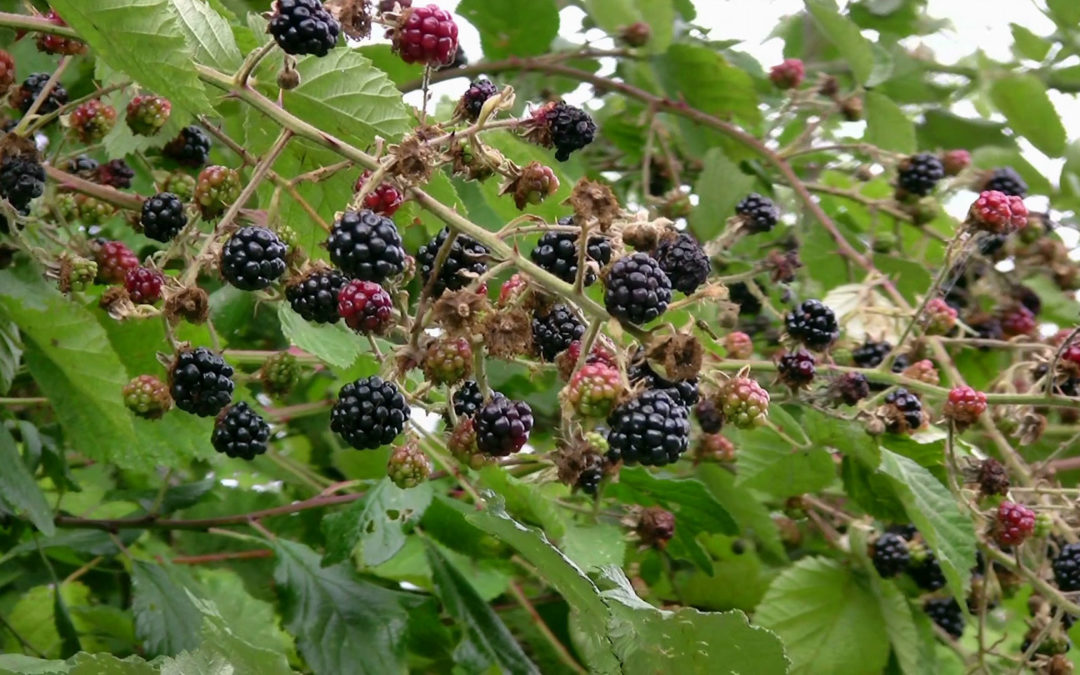
Other rich sources of anthocyanins are thought to provide the same benefits including other berries such as cranberry, bilberry, raspberry, and blackberry; as well as blackcurrant, cherry, eggplant peel, black rice, Concord grape, muscadine grape, red cabbage, and red-fleshed peaches.

Reference

Cassidy A, Mukamal KJ, Liu L, et al. High anthocyanin intake is associated with a reduced risk of myocardial infarction in young and middle-aged women. Circulation. 2013 Jan 15;127(2):188-96.

April 18th, 2012

Ease Enlarged Prostate

The prostate is a single, doughnut-shaped gland about the size of a walnut that lies below the bladder and surrounds the urethra. The prostate secretes a thin, milky, alkaline fluid that increases sperm motility and lubricates the urethra to prevent infection. Prostate secretions are extremely important to successful fertilization of the egg.

Benign (nonmalignant) enlargement of the prostate gland is known medically as benign prostatic hyperplasia, or BPH for short. Because an enlarged prostate can pinch off the flow of urine, BPH is characterized by symptoms of bladder obstruction, such as increased urinary frequency, nighttime awakening to empty the bladder, and reduced force and caliber (speed of flow) of urination.

BPH is an extremely common condition. Current estimates are that it affects more than 50 percent of men during their lifetime. The actual frequency increases with advancing age from approximately five to ten percent at age 30 to more than 90 percent in men older than 85 years of age.

The key symptoms relate to blockage of the bladder outlet and include progressive urinary frequency, urgency, increased nighttime urination, hesitancy and intermittency with reduced force and caliber (speed of flow) of urine.

Please note: Prostate disorders can be diagnosed only by a physician. Do not self-diagnose. If you are experiencing any symptoms associated with BPH, see your physician immediately for proper diagnosis.

Causes of prostate enlargement

BPH is largely the result of hormonal changes associated with aging. It is clearly dependent on the actions of male hormones (androgens) within the prostate gland. These changes within the prostate reflect the many significant changes in both male (androgen), female (estrogen), and pituitary hormone levels in aging men. The ultimate effect of these changes is that there is an increased concentration of testosterone within the prostate gland and an increased conversion of this testosterone to an even more potent form known as dihydrotestosterone (DHT). The increase in levels of testosterone and DHT is largely due to a decreased rate of removal combined with an increase in the activity of the enzyme 5-alpha-reductase, which converts testosterone to DHT.

Begin with diet

Diet appears to play a critical role in the health of the prostate. In trying to treat or prevent BPH, the diet should be as free as possible from pesticides and other contaminants (e.g., dioxin, polyhalogenated biphenyls, hexachlorobenzene, and dibenzofurans). It is quite possible that the tremendous increase in the occurrence of BPH in the last few decades reflects the ever-increasing effect that toxic chemicals have on our health. BPH is perhaps just one of many health problems that may be due to these toxic substances. A diet rich in natural, whole foods may offer some protection against these toxins.

In particular, focus on whole, unprocessed foods, including whole grains, legumes, vegetables, fruits, nuts, and seeds in your diet. Eat on fourth cup of raw sunflower seeds or pumpkin seeds each day for the zinc—an important mineral for prostate health. Consuming soy foods helps balance testosterone metabolism and has been shown to help prevent prostate cancer. Also, lycopene-rich fruits and vegetables, such as tomatoes, spinach, kale, mangos, broccoli, and berries, when consumed daily promote prostate health and play a role in preventing prostate cancer. It is also important to reduce the intake of alcohol (especially beer), caffeine, and sugar, all of which have an adverse effect on the way testosterone is metabolized by the prostate.

Herbal relief

Several herbs have been shown to be effective in relieving symptoms of enlarged prostate. These herbs can be used individually or taken in combinations as they have different yet synergistic effects. The following are listed in order of greatest benefit as noted in clinical trials:

Saw palmetto (Serenoa repens) extract has the most scientifically documented benefits of any natural treatment for BPH. Numerous clinical studies have shown that saw palmetto extract significantly diminishes the signs and symptoms of BPH. Roughly 90 percent of men who have mild to moderate BPH experience some improvement in symptoms during the first four to six weeks of therapy. All major symptoms of BPH have been relieved, especially nighttime urinary frequency. The recommended dosage of the extract, standardized to contain 85 to 95 percent fatty acids and sterols, is 320 to 640 mg daily.

Cernilton, an extract of flower pollen, has been used in Europe to treat BPH for more than 35 years, and its effects have been confirmed in double-blind clinical studies. The overall success rate of Cernilton in patients with BPH is about 70 percent. The typical dosage of is 63 to 126 mg two to three times per day.

Pygeum africanum is an evergreen tree native to Africa. Numerous clinical trials in more than 600 patients have demonstrated pygeum extract to be effective in reducing the symptoms and clinical signs of BPH, especially in early cases. However, in a double-blind study that compared the pygeum extract with the extract of saw palmetto, the saw palmetto extract produced a greater reduction of symptoms and was better tolerated. There may be circumstances in which pygeum is more effective than saw palmetto, and as the two extracts have somewhat overlapping mechanisms of action, they can be used in combination. The typical dosage of pygeum extract is 50 to 100 mg twice per day.

Stinging nettle (Urtica dioica) root extract also have been shown to be effective in the treatment of BPH. Two double-blind studies have shown it to be more effective than a placebo. However, it may work best when combined with saw palmetto extract. A large double-blind study in 431 patients using both the extracts of saw palmetto and stinging nettle found clinical benefit equal to that of finasteride (Proscar). The typical dosage is 120 to 150 mg twice daily.

Final thoughts

Even if symptoms of BPH are quite mild, it is important to treat. Early treatment, especially with natural approaches, will produce better results. If left untreated, BPH can eventually obstruct the bladder outlet, resulting in the retention of urine and eventually kidney damage. As this situation is potentially life-threatening, proper treatment is crucial.

The chance of clinical success with any of the botanical treatments of BPH appears to be determined by the degree of obstruction as indicated by how much urine is left after attempting to void the bladder (the residual urine content) as determined by an ultrasound exam. For mild cases of BPH (residual urine levels less than 50 ml), the results are usually excellent and quite noticeable within the first month of therapy. For moderate cases (residual urine levels between 50 and 100 ml), the results are usually quite good within the first four to six weeks. For example, roughly 90 percent of men with mild-to-moderate BPH experience some improvement in symptoms during the first four to six weeks after beginning to take saw palmetto extract.

If the residual urine level is between 100 ml and 150 ml it may take two to three months before significant improvements are noted. If the residual urine content is greater than 150 ml, saw palmetto extract and other herbal medicines are not likely to produce any significant improvement on their own. In these cases, it may be necessary to use the herb in combination with drug therapy, and in very severe cases, a surgical procedure to open up the passage way known as transurethral resection of the prostate (TURP) may be necessary.

Decreased nighttime awakenings to empty the bladder are usually the first signs of improvement, followed by a reduced sense of urinary urgency and increased caliber and flow of urine.

April 18th, 2012

Is Your Child Constipated? Try This Natural Solution


The National Institutes of Health reports that constipation in children is a common occurrence. While this condition is typically not life-threatening, it can certainly affect a child’s quality of life.

Constipation is characterized by bowel movements that occur less frequently than usual or stools that tend to be hard, dry, and difficult and painful to pass. The following are common causes of constipation in children:

• Milk allergy: According to a 1998 report featured in The New England Journal of Medicine, approximately 70 percent of cases of childhood constipation end by eliminating cow’s milk from the diet and substituting soy or rice milk.

• Lack of fiber: Just as with adults, a high-fiber diet is important for intestinal health.

• Certain medications or drugs, such as antacids, opiates and antidepressants.

• Various diseases and anatomic abnormalities like diabetes, kidney disease, hypothyroidism, pituitary disorders or low potassium levels.

• Stool withholding: Children may not defecate because they are stressed about potty training, are embarrassed to use a public bathroom, don’t want to interrupt playtime or are fearful of having a painful or unpleasant bowel movement.

Before you reach for that over-the-counter laxative, consider adding a probiotic supplement to your child’s daily routine.

Probiotics for children

There is some preliminary evidence that probiotics, or beneficial bacteria, are useful in cases of childhood constipation. It makes sense. After all, bacteria constitute about 30 percent or more of the typical stool weight. In addition, these beneficial bacteria enhance overall digestive health.

Rather than using a single strain of probiotic bacteria, it’s best to use a multi-strain formula composed of highly viable and compatible strains such as Bifidobacterium bifidum, Bifidobacterium breve, Bifidobacterium infantis, Lactobacillus acidophilus, Lactobacillus lactis, Lactobacillus fermentum or Lactobacillus rhamnosus. There are multiple strains of bacteria in our bodies, so it’s important to supplement with a multi-strain formula. A good probiotic supplement will list the strains it includes on the label.

Keep in mind that much of the scientific research on probiotics involves the analysis of single strains because it’s easier to evaluate the effectiveness of one strain versus multiple strains. One of the most commonly studied strains of bacteria is Bifidobacterium breve.

New data

A 2011 pilot study featured in Nutrition Journal that involved 20 children (average age of 7.4 years) with constipation demonstrated that daily doses of a probiotic supplement (100 million to 1 billion colony-forming units of Bifidobacterium breve) for four weeks significantly increased the frequency of bowel movements. Children who began the study with an average of less than one bowel movement per week improved to an average of about five per week after four weeks.

The children also had increased stool consistency and a significant decrease in fecal incontinence—from nine incidents per week at the beginning of the study to 1.5 in week four. In addition, there was a significant decrease in the number of abdominal pain episodes—4.2 at the beginning of the study to 1.9 in week four.

Previous clinical studies have shown that even newborn infants can safely take probiotics at a daily dosage of up to 9 billion bacteria.

The positive scientific research regarding probiotics and childhood constipation gives parents a more natural way to help ease this uncomfortable condition.

April 18th, 2012

Home Remedies to Heal Bronchitis

Bronchitis refers to an infection or irritation of the bronchi—the passageway from the windpipe (trachea) to the lungs. This illness is much more common in the winter, as it usually follows an upper respiratory infection such as a cold. Chest, the official journal of the American College of Chest Physicians, reported in 2006 that “acute bronchitis is one of the most common diagnoses made by primary care clinicians and emergency department physicians.”

While you may be tempted to ask your doctor about an antibiotic treatment for bronchitis, it’s important to note that antibiotics are not a good option for this illness. According to a 2006 review in Chest, “the widespread use of antibiotics for the treatment of acute bronchitis is not justified, and vigorous efforts to curtail their use should be encouraged.”

Fortunately, there are several natural remedies you can use to alleviate bronchitis and other respiratory tract disorders.

Bronchitis symptoms

Signs of bronchitis include bouts of coughing, shaking, chills, fever and chest pain that are usually preceded by a cold. Although pneumonia also includes a persistent cough, it differs from bronchitis in that it has the classic signs of lung involvement, such as shallow breathing and abnormal breath sounds. In addition, a chest Xray will show fluid and lymph in the lungs. It is difficult to distinguish between bronchitis and pneumonia, so consult your physician if you have lung issues suggestive of pneumonia or if your cough persists for more than one week, it recurs, or it’s accompanied by a high fever, rash or persistent headache.

Bronchitis can be caused by a variety of microorganisms, especially viruses and bacteria. In healthy people, bronchitis most often follows an insult to the immune system, such as cold or flu, cigarette smoke and other noxious fumes, or cancer.

Tried and true home remedy

One of the main treatment goals in cases of bronchitis, sinusitis and pneumonia is to help the lungs and air passages get rid of excessive mucus. There’s an old-time therapy called postural drainage that works absolute wonders. I recommend that my patients with bronchitis do it twice daily until the bronchitis has resolved.

Apply a heating pad, hot water bottle or mustard poultice to your chest for up to 20 minutes. To make a mustard poultice, mix one part dry mustard with three parts flour, then add enough water to make a paste. Spread the paste on thin cotton (an old pillowcase works well) or cheesecloth, fold it, and place it on your chest. Check the poultice often, as mustard can cause blisters if it’s left on too long.

After the hot pack or poultice, perform postural drainage by lying face down on a bed with the top half of your body off the bed, using your forearms as support. This position should be maintained for five to 15 minutes while you try to cough and expectorate into a basin or newspaper on the floor.

Bottle blowing and salt pipes

A Swedish study published in 1997 in the Scandinavian Journal of Infectious Diseases investigated 145 adults who were hospitalized for pneumonia. The patients who were instructed to sit up 10 times a day and blow 20 bubbles each time through a plastic tube into a bottle containing 10 ml of water had shorter hospital stays. Another study also found that this technique helped decrease impairment of pulmonary function and increase total lung capacity in patients who had undergone coronary artery bypass surgery. Bottle blowing or another similar activity, like a playing a wind instrument, may well prove useful as a means of decreasing the frequency and duration of bronchitis or pneumonia in patients who are vulnerable to respiratory infections.

An alternative to bubble blowing is the use of a salt pipe. These pipes are inhaler-type devices containing tiny salt particles that are said to ease breathing. The practice originated in central Europe, where individuals with respiratory complaints would spend time in salt caves or mines to help relieve their breathing problems.

Mucolytics

If you have bronchitis, it is important to use a mucolytic agent to improve the quality of your mucus secretions and promote expectoration. Two of the best are described below.

Guaifenesin (also known as glycerol guiacolate) is a derivative of a compound originally isolated from beech wood. It is available in many over-the-counter products.

N-acetylcysteine (NAC) has an extensive history of use as a mucolytic in the treatment of acute and chronic lung conditions. NAC is helpful in all lung and respiratory tract disorders, especially chronic bronchitis and chronic obstructive pulmonary disease. Studies show it improves bronchial and lung function, reduces cough and improves oxygen saturation in the blood. In detailed analyses of 39 trials, it has been concluded that oral NAC reduces the risk that chronic bronchitis will worsen and improves patients’ symptoms compared with a placebo. The typical dosage for NAC is 200 mg three times daily.

Expectorants and immune system support

Herbal medicine is one of the best ways to support your body to help prevent and alleviate the symptoms of bronchitis. Herbs can also act as expectorants to increase the quantity of mucus, decrease its viscosity and promote its expulsion. Commonly used expectorants include Glycyrrhiza glabra (licorice), Pelargonium sidoides (South African geranium), Hedera helix (ivy) and wild cherry bark.

Remember, optimal immune function also relies on a healthy diet that includes whole, unprocessed foods such as fruits, vegetables, grains, beans, seeds and nuts. Reduce your consumption of fats and refined sugars, and be sure to drink five or six 8-ounce glasses of water every day (preferably pure, filtered water), to boost your immune system.

With any of these bronchitis remedies, a lessening in the severity of symptoms, such as coughing, should be apparent within the first 48 hours. If not, please check with your physician.